
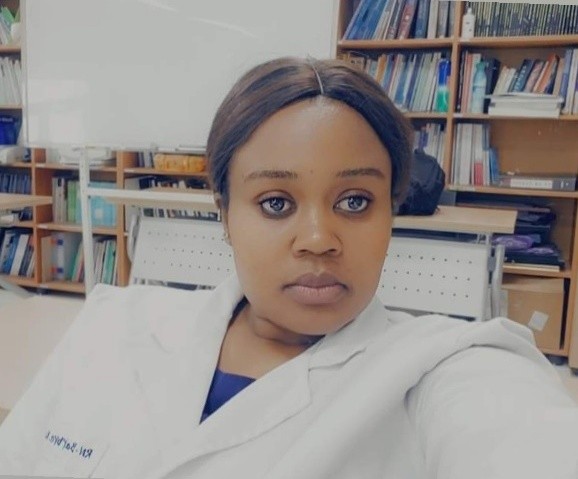
At Masaka Regional Referral Hospital, the difference between recovery and tragedy can sometimes be determined within seconds.
For Barbra Kaitesi, a Nursing Officer in the hospital’s Maternal and Child Health department, those moments were once filled with difficult decisions, limited emergency response options and the pressure of knowing that every delay could affect a patient’s survival.
Today, she is helping change that reality.
After undergoing specialised emergency care training in South Korea, Kaitesi returned to Uganda with skills that are strengthening emergency response systems, improving patient care and helping health workers act faster when mothers and newborns are critically ill.
Kaitesi was a beneficiary of the 2022/2023 Dr. Lee Jong-wook Fellowship Program for Clinical Experts Training, implemented by the Korea Foundation for International Healthcare (KOFIH).
Through the fellowship, she travelled to Yonsei University’s Wonju Severance Christian Hospital in South Korea, where she received hands-on training in emergency medicine, including Basic Life Support (BLS), cardiopulmonary resuscitation (CPR), airway management, trauma care, structured triage and stabilisation of critically ill patients before referral.
Before the training, Kaitesi says health workers often faced challenges managing emergencies that required immediate intervention.
“When breathing failed, when an airway closed, or when a trauma patient arrived bleeding and frightened, the most advanced interventions could not always begin where they were needed most — at the point of care,” she says.
The situation often meant relying on referrals, creating a race against time for patients whose conditions required urgent attention.
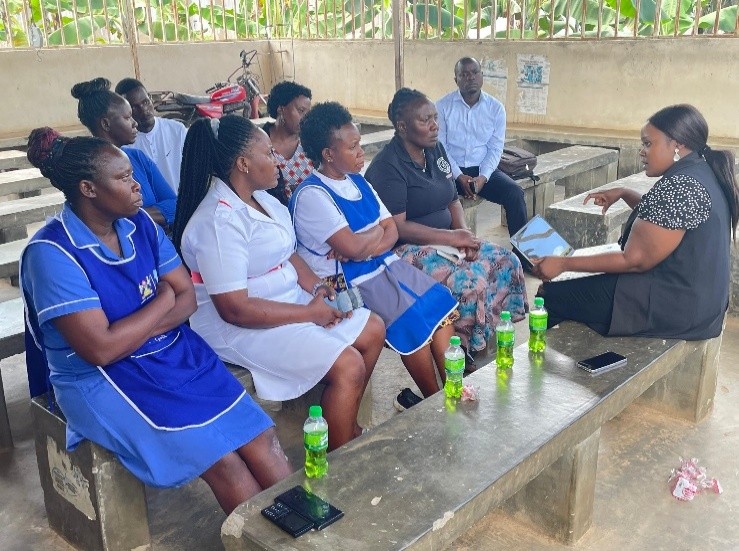
The fellowship introduced Kaitesi to a more structured approach to emergency care.
She learned how to quickly assess critically ill patients, make faster decisions and coordinate emergency teams using evidence-based practices.
“What I learned in Korea has changed how we handle emergencies at the bedside; every second now counts, and every action is guided by evidence-based practice,” Kaitesi says.
Upon returning to Masaka Regional Referral Hospital, she focused on applying her knowledge to improve emergency care systems.
One of her key interventions was establishing an emergency corner — a dedicated resuscitation area equipped with essential supplies needed during life-threatening situations.
The initiative has helped ensure that patients requiring urgent attention can receive immediate care without unnecessary delays.
Kaitesi also strengthened triage procedures to help health workers identify critically ill patients faster and prioritise those needing immediate intervention.
She encouraged better teamwork, clearer communication and coordinated decision-making among healthcare providers during emergencies.
The impact of her training was demonstrated through the case of a pregnant woman who arrived at the hospital feeling weak, unusually thirsty and tired.
While the symptoms could easily have been mistaken for normal pregnancy discomfort, Kaitesi applied the assessment skills gained during her fellowship and suspected there was a deeper problem.
She requested a blood glucose test, which revealed previously undiagnosed gestational diabetes.
The early detection allowed the patient to receive closer monitoring, dietary counselling, obstetric review and follow-up care.
Without timely intervention, the condition could have resulted in serious complications, including fetal distress, maternal emergencies or a difficult delivery.
For Kaitesi, the case showed the importance of having health workers equipped to recognise warning signs early.
Kaitesi believes the greatest impact comes from ensuring that knowledge spreads beyond one individual.
“A skill held by one health worker helps one patient, but a skill shared strengthens an entire health system,” she says.
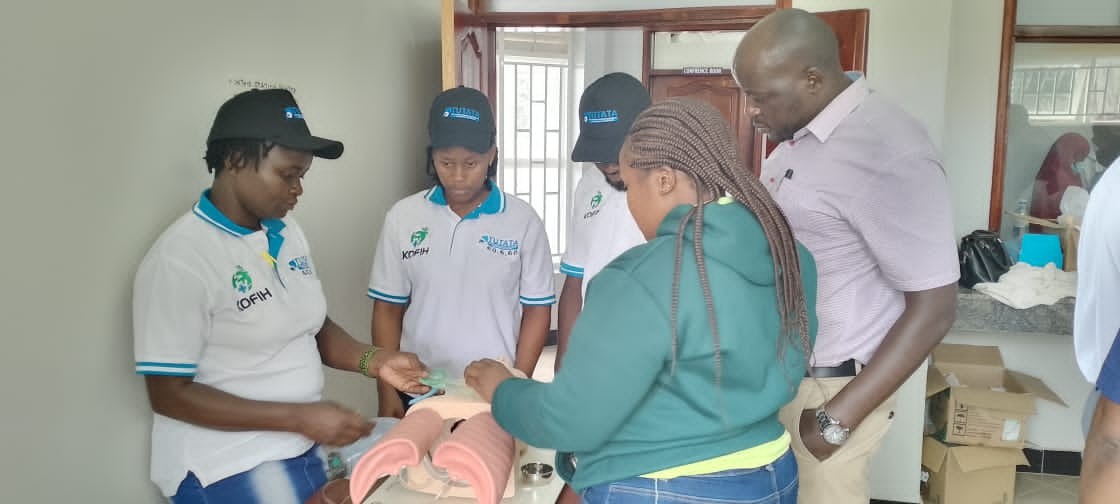
Through mentorship and practical training sessions, she has equipped fellow health workers with skills in Basic Life Support, CPR, emergency assessment, airway management and stabilisation of critically ill patients.
Her training sessions have reached healthcare workers at Masaka Regional Referral Hospital and other facilities, including Kakuuto Health Centre IV and the Emergency Medical Services (EMS) skills and simulation laboratory established at Masaka Regional Referral Hospital with support from KOFIH.
The programme has helped improve teamwork, communication and confidence among health workers responding to emergencies.
Kaitesi says continued investment in specialised healthcare training is essential for improving Uganda’s health system.
“Continued investment in such training will not only save lives but also strengthen health systems and improve the quality of care at every level,” she says.
Today, the emergency corner at Masaka Regional Referral Hospital stands ready, triage systems are more responsive and more health workers have the confidence to act when emergencies arise.
For mothers and newborns whose lives depend on quick decisions, the difference is measured not in hours or days, but in seconds — and those seconds now have a better chance of saving lives.
